
George’s life, though seemingly ordinary, is revealed to have been the linchpin holding his family and town together. This powerful reminder of our interconnectedness gives the movie its universal appeal.
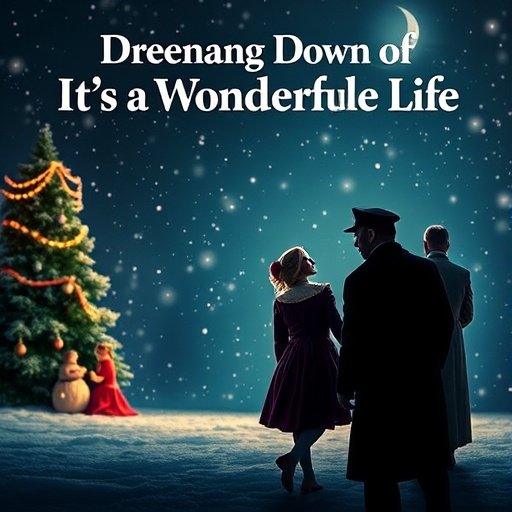
Breaking Down the Magic of It’s a Wonderful Life Movie
2. Sacrifice and Selflessness

Breaking Down the Magic of It’s a Wonderful Life Movie
Frank Capra’s Direction
Capra’s direction is a masterclass in balancing emotion and storytelling. His ability to depict George’s struggles with sincerity and authenticity makes the character’s eventual redemption all the more impactful.
Capra’s focus on small-town values and the importance of community reflects his optimistic worldview, which permeates the film.
Through meticulous pacing, Capra builds tension and releases it with moments of joy and catharsis, ensuring the audience is emotionally invested from beginning to end.
Cinematography and Music
The black-and-white cinematography by Joseph Walker and Joseph Biroc captures the nostalgic charm of Bed ford Falls while effectively conveying the contrasting tones of hope and despair.
The use of light and shadow, particularly in George’s moments of crisis, enhances the emotional depth of the story.
Dimitri Tiomkin’s score complements the narrative beautifully, blending traditional Christmas melodies with original compositions to heighten the film’s emotional impact.
Cultural and Historical Context
Released in the aftermath of World War II, *It’s a Wonderful Life* reflected the longing for stability and community in a time of uncertainty.
Although it was initially a box-office disappointment, the film found new life through television broadcasts, becoming a beloved holiday tradition.
Its themes of resilience and the importance of human connection have remained relevant, ensuring its place in the cultural zeitgeist.
Legacy and Impact
It’s a Wonderful Life Movie has inspired countless films and TV shows, cementing its legacy as a touchstone for storytelling.
Its influence can be seen in works ranging from holiday specials to dramas exploring the significance of ordinary lives. The film has also been preserved in the National Film Registry, a testament to its enduring cultural and historical significance.

Breaking Down the Magic of It’s a Wonderful Life Movie
Why It Continues to Resonate
Decades after its release, It’s a Wonderful Life Movie continues to captivate audiences. Its universal themes, relatable characters, and heartfelt message transcend time and place, making it as relevant today as it was in 1946.
Whether viewed as a holiday tradition or a timeless morality tale, the film serves as a reminder of the power of kindness, the importance of community, and the beauty of life itself.
In celebrating George Bailey’s journey, It’s a Wonderful Life Movie reminds us all to reflect on the positive impact we have on others and to cherish the connections that make life truly wonderful.